Understanding cCMV and Why Early Hearing Monitoring Matters
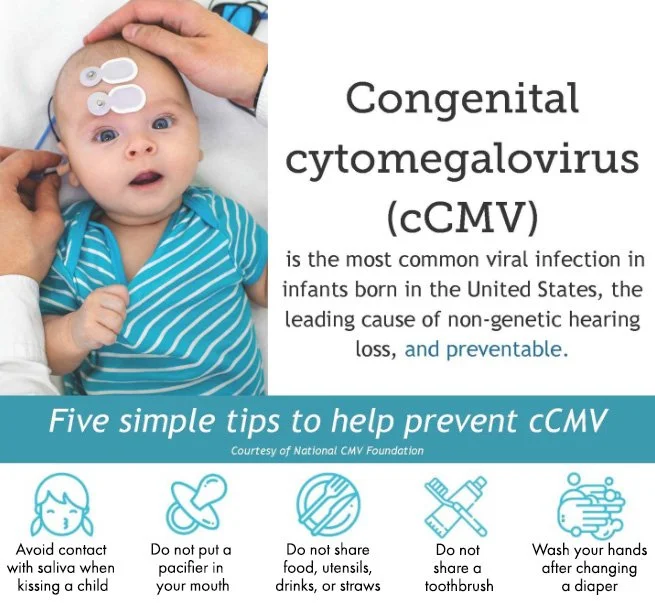
Congenital cytomegalovirus, often referred to as cCMV,
is a common virus that some babies are born with. While
many children with cCMV show no immediate symptoms,
it is recognized as one of the leading causes of
non-genetic hearing loss in children. Because hearing
can change over time for children affected by cCMV,
ongoing monitoring is important.
At HEAR Wisconsin, our Audiology Clinic and Kellogg
Child & Family Program teams work closely together
to support children who may be experiencing hearing
loss or communication delays. Through comprehensive
hearing evaluations, speech and language services, and
early communication support for families, our team helps
ensure that children receive the care and guidance they
need during the critical early years of development.
“Several families impacted by CMV receive intervention
services with HEAR Wisconsin therapists. Screening for
CMV at birth allows for early identification, timely
medical care, and access to hearing-loss-specific
services that can significantly improve outcomes,” says Amy Peters Lalios, M.A., CCC-A LSLS CERT. AVT, Director of Kellogg Child & Family Program, Audiologist, Listening & Spoken Language Specialist,, Certified Auditory-Verbal Therapist
Early identification of hearing changes allows families and providers to take steps that support listening, language development, and overall communication skills. Our clinicians partner with pediatricians, families, and community providers to monitor hearing and provide individualized recommendations when concerns arise.
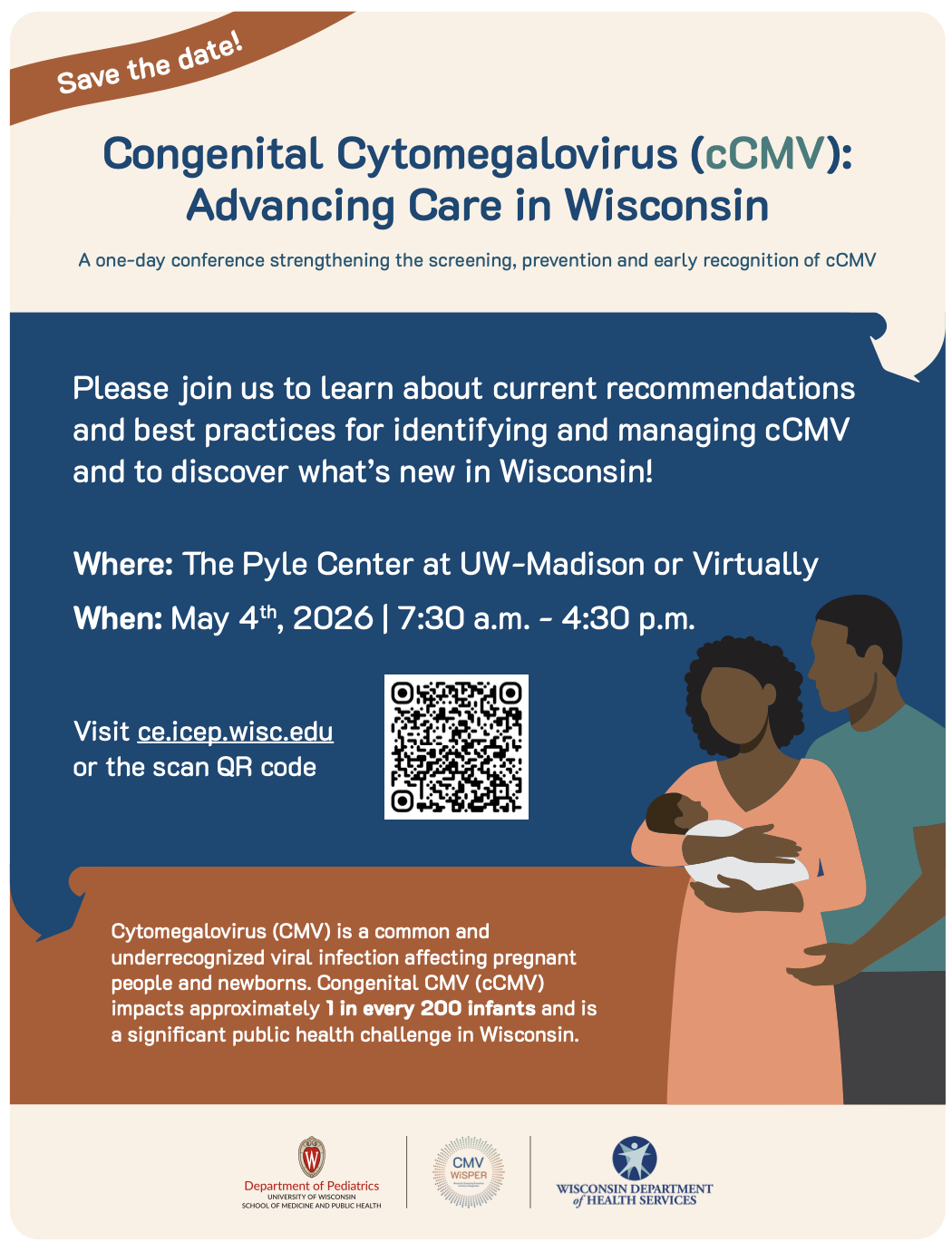
In May, healthcare professionals from across the state will gather in Madison for a conference focused on advancing care, screening, and early recognition of cCMV in Wisconsin. HEAR Wisconsin representatives will be participating in these conversations as part of our ongoing commitment to staying engaged in emerging best practices that support children and families.
As these discussions continue across Wisconsin, HEAR Wisconsin remains committed to helping families understand the importance of hearing health and ensuring that children receive the services and support they need to thrive.